Episode 145: Sleep & performance researcher Ian Dunican of the Australian Institute of Sport, discusses some of his work examining the effects of sleep, circadian disruption, training timing and travel schedules on the performance and recovery of elite level athletes.
Click Here to Get Podcast Transcripts
 [/column] [column type=”one-third,” last=”false”]
 [/column] [column type=”one-third,” last=”true”]
  [/column] [custom_headline type=”left, center, right” level=”h2″ looks_like=”h3″ accent=”true”]Guest Bio [/custom_headline] Ian Dunican, PhD
[column type=”one-thirds” last=”false” fade=”true” fade_animation=”in” fade_animation_offset=”45px”]
[/column] [custom_headline type=”left, center, right” level=”h2″ looks_like=”h3″ accent=”true”]Guest Bio [/custom_headline] Ian Dunican, PhD
[column type=”one-thirds” last=”false” fade=”true” fade_animation=”in” fade_animation_offset=”45px”] 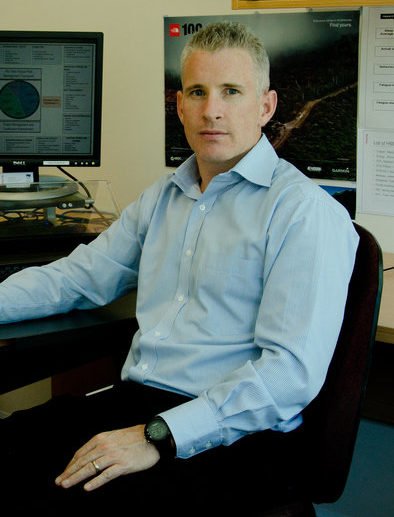 [/column]
[column type=”two-thirds” last=”true” fade=”true” fade_animation=”in” fade_animation_offset=”45px”]
[/column]
[column type=”two-thirds” last=”true” fade=”true” fade_animation=”in” fade_animation_offset=”45px”]
Ian Dunican is currently undertaking PhD research at University of Western Australia (UWA) and Australian Institute of Sport (AIS) investigating, among other things, the impact of evening use of electronic devices on sleep and next day athletic performance, the effects of jet lag and transmeridian travel on athletic performance, and the prevalence of sleeping disorders amongst professional Rugby players.
[/column] [custom_headline type=”left, center, right” level=”h2″ looks_like=”h3″ accent=”true”] In this episode we discuss: [/custom_headline]- What does the evidence base tell us about poor sleep and the impact for athletes?
- Athlete sleep patterns
- Work examining the effects of travel schedules on sleep and performance
- Fatigue Avoidance Scheduling Tool
- Training timing & schedules effect on performance and sleep
- Amateur athletes sleep and circadian rhythm disruption due to shift work
- Is pre-training caffeine contraindicated for PM sessions?
- The effect of using electronic devices by elite athletes before sleep
- Future directions for research in this area
- Sleep4Performance Blog
- Sleep4Performance Facebook
- Sleep4Perform Twitter
- Support the podcast on Patreon
- Click Here to Get Podcast Transcripts
Enjoy this episode?
Support the podcast on Patreon

2 Responses