#584: EAT-Lancet: Does the Planetary Health Diet Improve Human Health?
Listen Here: For a full list of apps, go here. Or simply search “Sigma Nutrition” in your app of choice.Or listen directly on the Sigma website here. Introduction How should we think about diets that claim to optimise both human and planetary health? Can a single “reference diet” really balance the complex trade-offs between nutrition […]
#583: Ultra-Processed Foods & Fixing the Food Environment – Kevin Hall, PhD

Listen Here: For a full list of apps, go here. Or simply search “Sigma Nutrition” in your app of choice.Or listen directly on the Sigma website here. Introduction Ultra-processed foods have become central to the way we eat and to many of the challenges we face in public health nutrition. They dominate supermarket shelves, shape […]
#581: What Is Successful Public Nutrition Policy? And Why Is It So Hard to Achieve? – Emily Callahan, RD, MPH
Listen Here: For a full list of apps, go here. Or simply search “Sigma Nutrition” in your app of choice.Or listen directly on the Sigma website here. Introduction Public nutrition policy plays a critical role in shaping population health through laws, guidelines, and programs that influence what people eat. In this episode, Emily Callahan, an […]
#577: Ultra-processed vs. Minimally Processed Diets: UPDATE Trial – Samuel Dicken, PhD

Samuel Dicken is a Research Fellow in the Department of Behavioural Science and Health and the Centre for Obesity Research at University College London, where his work focuses on how diet, exercise, and lifestyle shape metabolism, body composition, and long-term health, particularly in relation to cardiovascular disease.
#574: Microplastics & Health: What Do We Know? – Prof. Ian Mudway
Listen Here: For a full list of apps, go here. Or simply search “Sigma Nutrition” in your app of choice.Or listen directly on the Sigma website here. Introduction They’re in our oceans, our air, our food, and now even in our bodies. Microplastics, once a distant environmental issue, have become a topic of urgent relevance […]
#572: Can You Trust Industry-Funded Nutrition Studies? Here’s How to Tell
Listen Here: For a full list of apps, go here. Or simply search “Sigma Nutrition” in your app of choice.Or listen directly on the Sigma website here. Introduction Nutrition science plays a pivotal role in shaping public health advice, but the influence of industry funding on research has become a pressing concern. In this episode […]
#567: Did Big Sugar Hijack the Food Pyramid? Were Low-fat Diets a Scam that Damaged Our Health?

Listen Here: For a full list of apps, go here. Or simply search “Sigma Nutrition” in your app of choice.Or listen directly on the Sigma website here. Introduction For decades, dietary guidelines—and the Food Pyramid in particular—have been at the center of heated debates and considerable controversy. These guidelines have often been accused of being […]
#563: The Financialization of the Food System – Prof. Martin Caraher
Listen Here: For a full list of apps, go here. Or simply search “Sigma Nutrition” in your app of choice.Or listen directly on the Sigma website here. Introduction Global food systems have been increasingly subjected to financial speculation, leading to adverse consequences for growers, consumers, and public health. But what are the systemic vulnerabilities that […]
SNP40: Do Seed Oils Cause Inflammation & Chronic Disease?

For a full list of apps, go here. Or simply search “Sigma Nutrition” in your app of choice.Or listen directly on the Sigma website here. Introduction Seed oils have recently become a hotly debated topic in nutrition, fueled by sensational claims on social media. In this episode, the central theme is examining whether seed oils […]
#561: Emulsifiers in the Modern Diet: Health Risk or Harmless Additive?
Listen Here: For a full list of apps, go here. Or simply search “Sigma Nutrition” in your app of choice.Or listen directly on the Sigma website here. Introduction Emulsifiers are a ubiquitous component of the modern food supply, found in everything from salad dressings and dairy products to pastries and sauces. Traditionally regarded as safe […]
Seed Oils on Trial: Is the Panic Justified?

Introduction “Seed oils” – rich in the omega-6 fat linoleic acid (LA) – have been accused of promoting inflammation, oxidative stress, and chronic disease. Internet anecdotes blame seed oils for everything from heart disease to diabetes, fueling a pseudoscientific backlash against soybean, corn, sunflower, and similar oils. In reality, these claims do not hold up […]
#558: Rethinking Ultra-Processed Foods in the Modern Food System – Duane Mellor, PhD
Listen Here: For a full list of apps, go here. Or simply search “Sigma Nutrition” in your app of choice.Or listen directly on the Sigma website here. Introduction Discussions around ultra-processed foods (UPFs) and their role in public health have gained significant traction in recent years. While some advocate for categorizing and regulating these foods […]
#555: What Should the Dietary Guidelines Say? – Prof. Christopher Gardner
Listen Here: For a full list of apps, go here. Or simply search “Sigma Nutrition” in your app of choice.Or listen directly on the Sigma website here. Introduction Every five years, the U.S. Dietary Guidelines are updated based on the latest scientific evidence to help shape national nutrition recommendations. A panel of experts was assembled […]
#544: Genetic Variants and Response to Nutrients – Martin Kohlmeier, MD PhD
Listen Here: For a full list of apps, go here. Or simply search “Sigma Nutrition” in your app of choice.Or listen directly on the Sigma website here. Introduction In the realm of nutrition science, individual differences are more profound and impactful than many realize. For decades, we’ve developed dietary recommendations with a “one-size-fits-all” approach, assuming […]
#522: Does Personalized Nutrition Outperform General Dietary Advice?
So is personalized nutrition superior to standard dietary advice? Let’s find out…
#519: Eating Disorders: Inpatient Treatment & Challenges – Helen West, RD

In this episode Helen West, an Advanced Specialist Eating Disorders Dietitian with over 12 years of clinical experience, discusses her experience and understanding of these areas. With her extensive background and expertise, Helen offers valuable perspectives in tackling these critical topics within the realm of eating disorder treatment and research.
What are Dietary Reference Intakes? Origins, Development & Use (SNP 26)

Dietary Reference Intakes (DRIs) are a set of nutrient reference values, developed in the US, that are used to assess and plan the nutrient intake of healthy individuals.
Listener Q&A: Homocysteine, MUFA, Healhty BMI, and more! (SNP 24)

This episode is one of our Premium-exclusive AMA (ask me anything) episodes, where we answer questions submitted by Premium subscribers.
#500 – The Big Unanswered Questions in Nutrition Science
To mark the 500th episode of the podcast, Danny and Alan take a look at some of the current outstanding questions in nutrition science, what areas have largely been resolved, and how their own thinking has evolved and changed over time.
This brings them into areas such as personalized nutrition, ultra-processed foods, time-restricted eating, salt & health, and the difference between being “evidence-based” and “reference-based”.
#499: How Sensory Cues Impact Food Choice & Behavior – Prof. Ciarán Forde

Ciarán Forde is a Professor in Sensory Science and Eating Behavior at Wageningen University in the Netherlands.
SNP21: Sick Individuals and Sick Populations
In 1985 a paper titled “Sick Individuals and Sick Populations” was published in the International Journal of Epidemiology. In this episode, Danny and Alan discuss the central themes of the paper, why they are so crucial to understand, and what this means for our understanding of diet and chronic disease prevention.
#489: Inequalities in Diabetes Outcomes for African & Caribbean Communities – Prof. Louise Goff

In the UK, there is a threefold higher incidence of type 2 diabetes in UK African and Caribbean (AfC) communities, compared to the general population. And ethnic inequalities in type 2 diabetes treatment and outcomes have been documented. Differences in outcomes relate to physiological differences as well as pragmatic issues and structural barriers. Professor Louise Goff has done pioneering work in relation to both aspects.
Is Personalized Nutrition Superior to General Nutrition Advice? (SNP 17)
So is personalized nutrition superior to standard dietary advice? Let’s find out…
#480: How Much Fiber Do We Need for Good Health? – Prof. Joanne Slavin
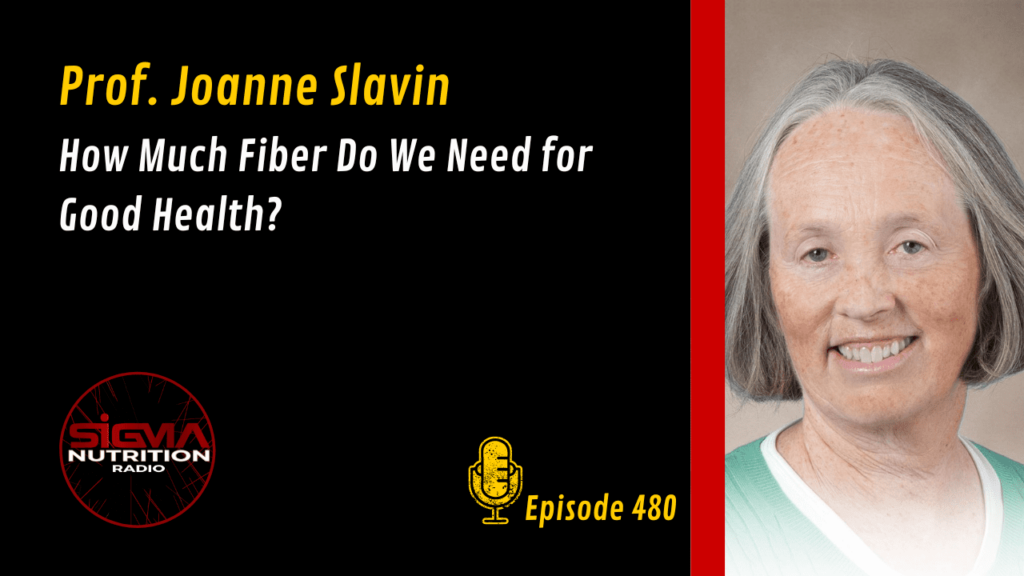
How much fiber do we actually need? What are current fiber recommendations based on? What outcomes have the strongest evidence for benefit? Should we have targets for fiber sub-types? Are some types of fiber “better” than others? Do functional fibers added to food products still retain the benefits we see with dietary fiber?
#464: Do Sugar Taxes Work?: Evidence on Potential Policies – Kathryn Backholer, PhD
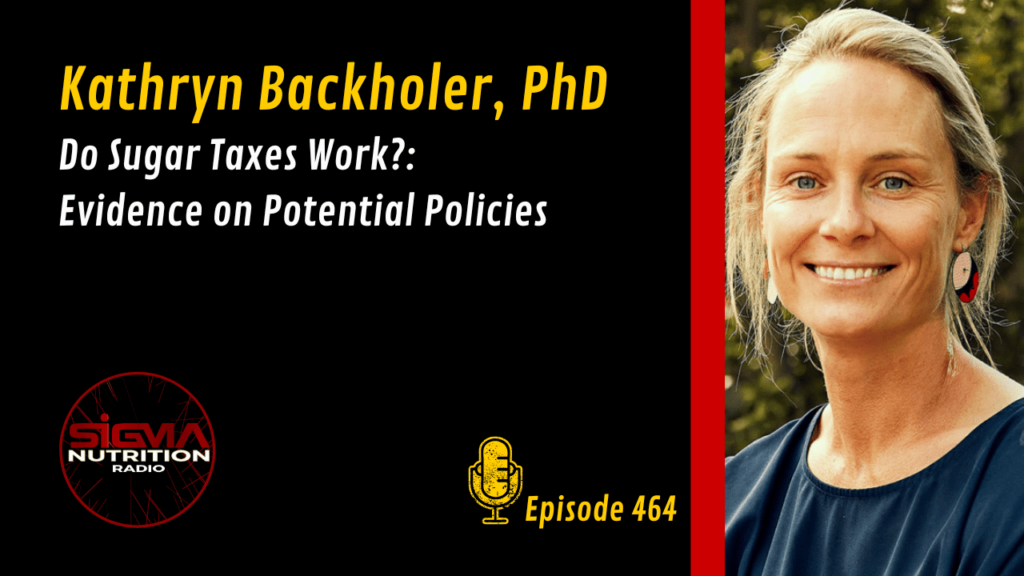
With a number of countries having implemented a range of taxes or health levies, what lessons can we learn from these? And what does the best public health nutrition currently tell us about the likely effectiveness of different policies or interventions?
#462: Gyorgy Scrinis, PhD – Ultra-Processed Foods, Nutritionism and Current Food Systems
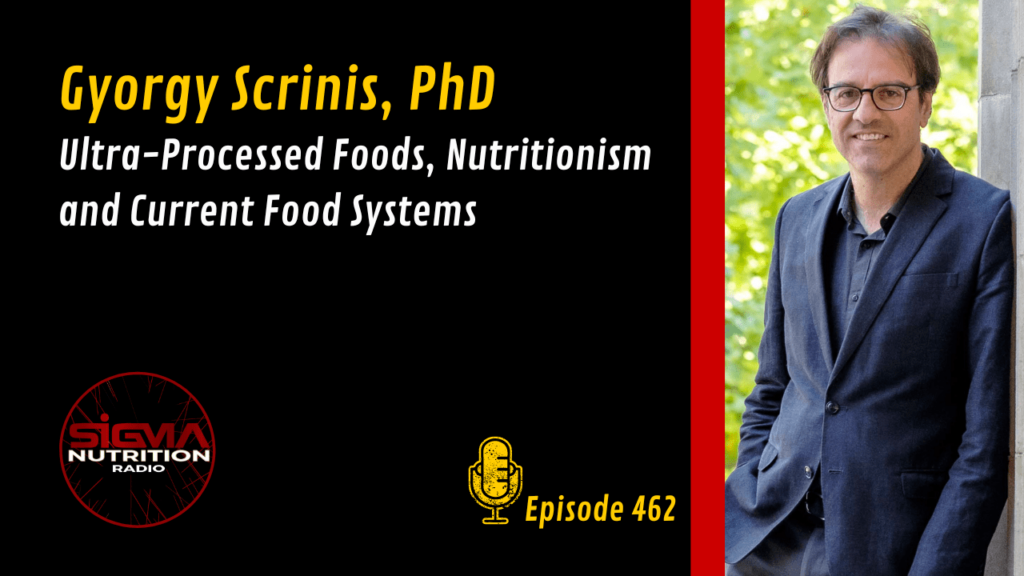
Over the past decade, the increasing uptake and acceptance of the Nova food processing classification system has placed focus on one of the categories in Nova; ultra-processed foods (UPFs). Ultra-processed foods (UPFs) are products created from deconstructed (and recombined) food components, usually with the goal of creating a highly palatable, convenient, and profitable product. This typically means such products are high in nutrients of content (e.g. sugar, sodium, saturated fat, etc.). But in addition, they have other characteristics that may make them detrimental to health, particularly when they replace unprocessed or minimally processed foods in the diet. Dr. Gyorgy Scrinis, is on the podcast to discuss his work in the area.
#461: Prof. Emma Boyland – How Food Marketing Impacts Eating Behaviour

What does the current evidence tell us about the exact effect of marketing on food choices? And beyond that, what strategies are likely to yield the best results in terms of mitigating the harms of food marketing on eating behaviour, particularly in children and adolescents? To help answer these questions, subject area expert Prof. Emma Boyland is on the podcast to discuss what is currently known.
#446: How Climate Change Impacts Nutrient Status
Climate change has the potential to negatively impact the nutrient value of plants, soil organisms, food stuffs, via a variety of ways. Climate change puts food supplies at risk. Floods, droughts, more intense hurricanes, heatwaves and wildfires can drive down crop yields, destroy livestock, and interfere with the transport of food. And rising carbon dioxide levels from human activity can make staple crops like rice and wheat less nutritious.
#440: Are Dietary Guidelines Trying To Kill Us?
It has become common rhetoric for those promoting various types of diets to suggest that dietary guidelines published by government departments are at best, unhealthy, or at worst, causative in driving obesity and chronic disease in the population.
Often the claims is that following these guidelines actually harms health, rather than promote it. And the guidelines are simply a result of industry forces, long-standing bias, and shoddy science.
But do these claims hold up to scrutiny?
#428: Food Environments
Clearly the food choices one makes over time directly impacts health. However, choices are not made in a vacuum; that is, they are not always concious decisions made for rational reasons based on free will. Rather, the choices we make about food are shaped by the contexts within which they are made. The term “food environment” is used to describe the physical, economic, political and socio-cultural contexts in which choices are made about acquiring, preparing and consuming food.
Which Micronutrients Do I Need? – Commonly Underconsumed Vitamins & Minerals
This Statement will discuss current evidence for nutrient deficiencies in the developed world. Particular attention will be placed on iron, vitamin D, zinc, folate (vitamin B9), and iodine.
#392: Clare Pettinger, PhD, RD – Environmentally Sustainable Diets & Food Access
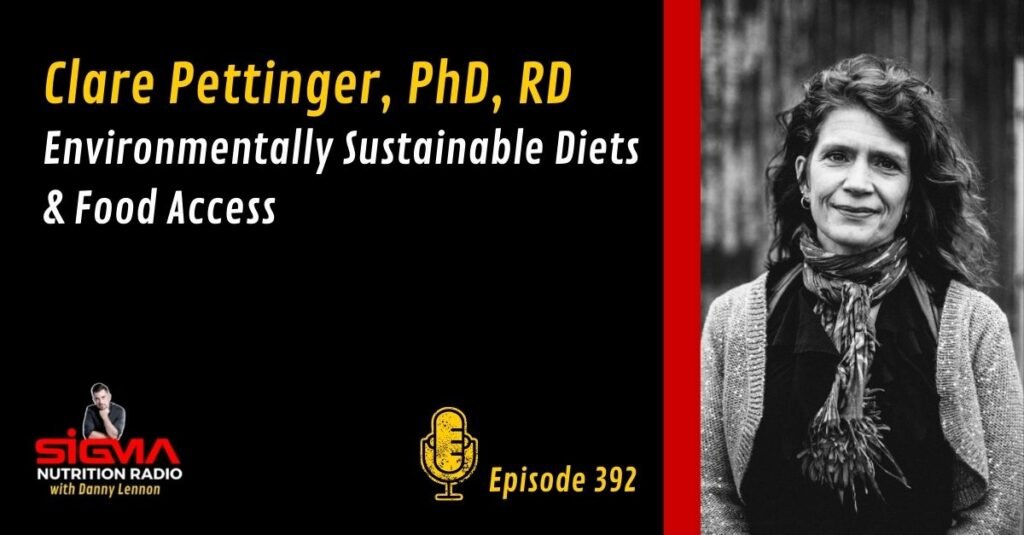
Dr. Clare Pettinger is a Registered Dietitian, Public Health Nutritionist and experienced educator. Based at the Universtity of Plymouth, UK, Dr. Pettinger is actively engaged in community-focussed research around food systems, poverty and social justice. She is an enthusiastic ‘sustainability advocate’ involved in promoting environmentally sustainable diets for nutrition professionals and Allied Health Professioinals.
Organic vs. Non-Organic Food: Is There a Difference?
Is organic food healthier than non-organic food? Is there a difference between organic and conventional food? Let’s examine the evidence…
#369: Prof. Jason Gill – Population Cardiometabolic Disease Risk: Impact of Strength, Fitness & Activity

Guest Information Prof. Jason Gill, PhD Professor Jason Gill is a Professor of Cardiometabolic Health in the Institute of Cardiovascular and Medical Sciences at the University of Glasgow. He leads an active multi-disciplinary research group investigating the effects of exercise and diet on the prevention and management of vascular and metabolic diseases from the molecular […]
#363: Public Health Policy vs. Personal Responsibility: Evidence vs. Ideology
Today’s Topic in Focus: Public Health Policy vs. Individual Responsibility [07:29] In this episode Danny and Alan discuss the evidence for public health nutrition interventions, how health inequalities are driven by socioeconomic factors, and how ideology and simplistic rhetoric about “personal responsibility” can get in the way. References: Rose, 2001 – Sick individuals and sick […]
#339: Prof. Corinna Hawkes – Food Policy, Food Systems & Public Health
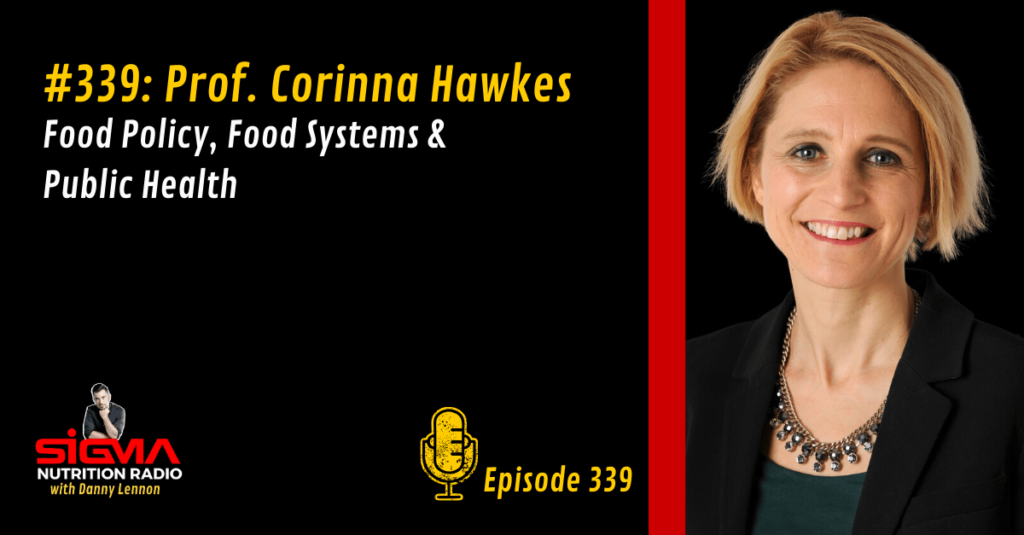
Listen on these AppsPodcast TranscriptsGuest Information Prof. Corinna Hawkes Professor Corinna Hawkes has been working for the past 20 years with UN agencies, governments, NGOs and academia at the local, national and international level to support the design of more effective policies throughout the food system to improve diets and prevent malnutrition in all its […]